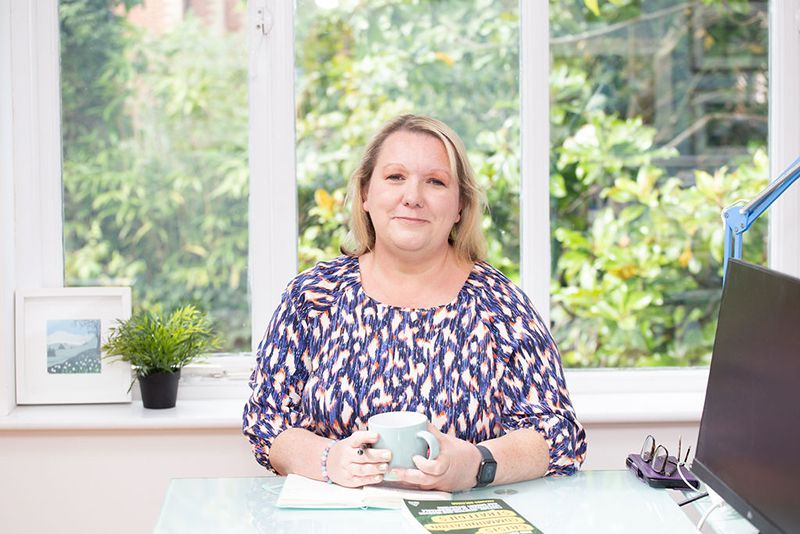
Careers Spotlight Series: Get To Know…Amanda Coleman
"Get to Know...” is our regular careers spotlight feature which provides insights into different PR sectors and roles.
Today we hear from Amanda Coleman, a hugely experienced crisis communication consultant and Director of Amanda Coleman Communication Ltd.
How and why did you begin working in comms and PR?
I was disillusioned with journalism and wanted to move into something that felt more directly connected to people's lives. I found my first public sector related communication role and feel in love with the impact I felt it could have. I moved into crisis communication after 21 years in police communication and knew it was my passion. I care deeply that we have to be better at helping people when the worst happens.
What’s the story of your specialism?
Crisis communication matters so much to me as I see so many times when lack of planning, bad behaviour etc lead to people suffering or having their trauma added to. There are lots of challenges to developing effective crisis communication linked to the changes in the world, technology and people's lack of trust. I keep looking at how we can improve what we do and bring in links to psychology, resilience, and other aspects.
Describe an average day in your work life.
As everyone will say there isn't an average day. I usually start with a review of the morning news around 5.30am and then the day will be a mix of writing crisis simulations, developing plans, creating training packages and supporting clients. Throughout the day, I leave the news on dip into social media. When I can, I try to consider the development of my business and to read some of the academic work on crisis communication. The day also involves lots of cups of tea and when the weather allows a brief moment in my garden to clear my head.
Describe a piece of work you think is particularly interesting or you are particularly proud of.
I can't say I am proud of what I do as it is usually involving really difficult experiences that people have. But I am forever grateful to the people who face traumatic experiences and provide their views and insight to help me improve what I do.
Do you have any advice for other professionals in your field or hoping to work in your field?
This is a Marmite job. You either like it or hate it so get to know where you are with it. If you do enjoy it then check into the academic work and get experience of managing situations. This may mean working for an organisation that is high risk. And talk to people doing the job so you get to know the good and the bad.