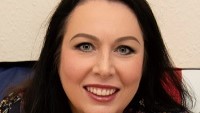
Alison Gallagher-Hughes
Founder/Managing Director of Tillymint Communications
How did you get started in PR?
I think that I resisted a move into PR for some time. I was originally a newspaper journalist and I clearly remember the head of journalism at the University of Central Lancashire delivering a parting shot to us all at the end of our course: "You'll probably all be working in PR within a couple of years". He was a hardened ex newspaper man and he probably thought that many of us wouldn't have the stamina to stick it out, so I stayed with it for 10 years - chasing news stories, meeting endless rolling deadlines and I loved it but I could see that the industry was changing. I wanted a new challenge and better work life balance - not so many night jobs.
I eventually moved to the 'other side of the fence' and took on a media relations role in a very busy press office working for the police. I don't think that I recognised it as public relations back then - PR seemed to be an outdated term, but it actually was, it combined crisis management, stakeholder relations, and campaign management at a strategic and tactical level. I'm glad that I made the leap. It gave me a different outlook and a whole new set of skills.
It took a while for me to transition into this new role. My 'nose for news' had to be realigned in order to put reputation management front and centre, but there was still an immediacy needed to effectively respond to media enquiries in a responsive and timely manner. I also knew what journalists needed by way of information, images and sound, so after a while it became second nature. Working within the public sector also provided me with promotional opportunities, and the chance to acquire other training and qualifications as my role developed.
I subsequently went on to work in senior management roles within social housing and education before I moved to a head of PR role with an agency and then set up my own company.
What is your typical day like?
Quite varied. I work with multiple clients across various industries so I often dip in and out of different worlds as work demands. It's amazing how much knowledge you acquire and consistently apply but most of the same communications tenets apply. Most of my work is desk based - a lot of content creation, project management and client liaison. What Covid taught us is that we can work differently. It used to be the way that agencies preferred local clientele so that non-billable time was not wasted - my former agency liked to operate with a 50 mile radius - but that is less relevant now. I have clients across the UK and client contact is easily achieved with digital platforms and this helps productivity too.
Running my own company means that I have to incorporate business operations into my day - admin and business development on top of client work. Being a hunter and a farmer can be exacting but I thrive on it.
What's your favourite thing about your job?
The variation and the people. There is variation within in-house roles but on the agency side you get the opportunity to explore different industries, clients with different needs. It can be challenging but hugely rewarding.
At this stage of my career, I am also in a very privileged role of 'trusted advisor' to my clients. Trust has to be earned and is reinforced by results-driven output. A number of my clients have been with me since I founded my own company and it is immensely satisfying to know that I have contributed to the growth and development of their organisations.
What are your plans for the future?
To keep doing what I am doing and keep doing it well. Our industry is changing and it's important to stay on top of emerging issues and invest in your own learning and development. CPD is really important to me and also helps me maintain my Chartered status.
What advice would you give to someone starting out in PR?
Gosh, that's a biggy! I suppose it would be honest and ethical in your professional dealings, hone your skills, learn from your mistakes and listen. Really listening is so important not only for information gathering but for gauging nuance and detail. Also, don't be afraid to ask difficult questions - if you don't understand something be upfront and say so...it will be a springboard for another conversation and could trigger greater creativity.